
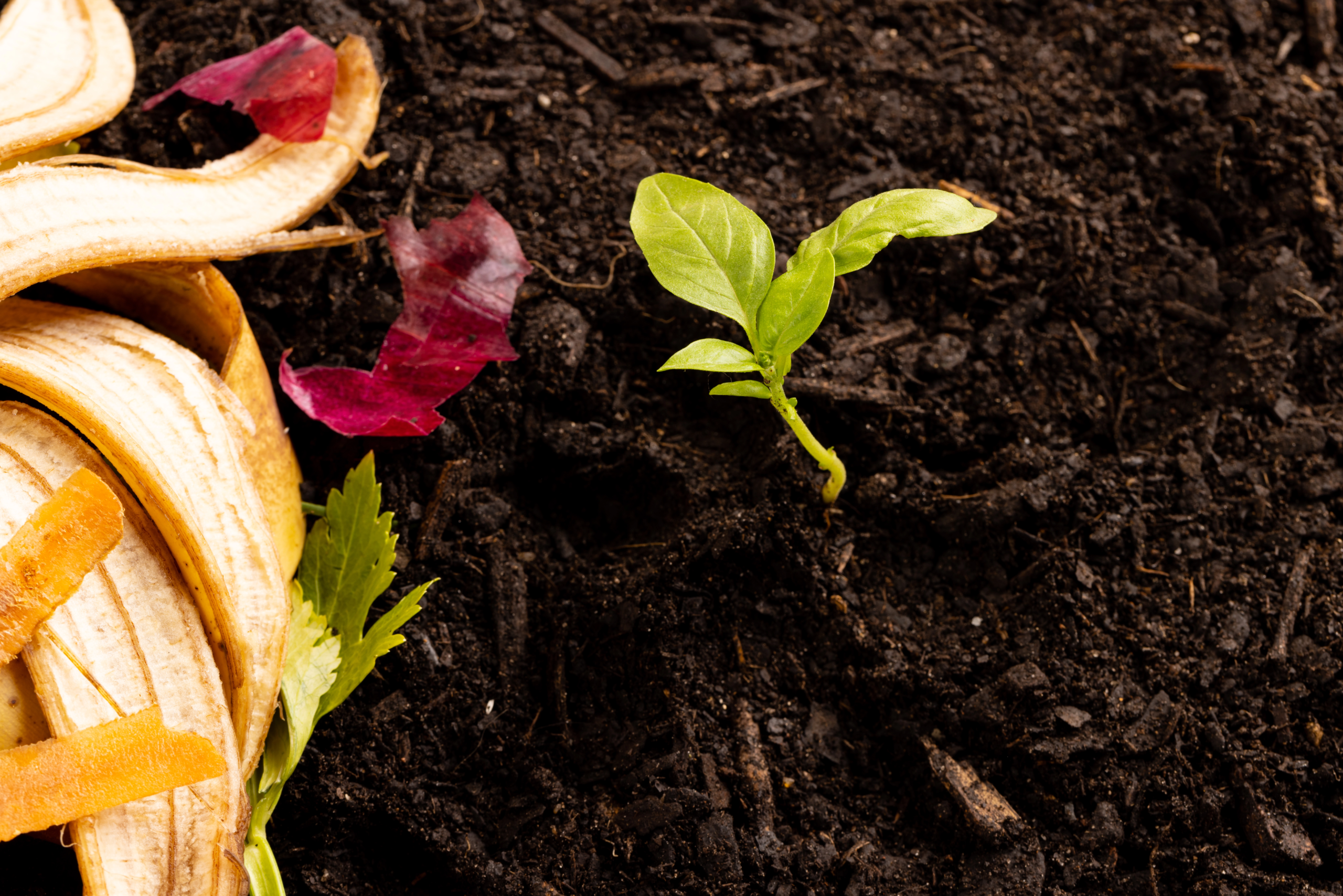
Eco soil or organic soil is a term used for a soil that is managed or amended to be more environmentally friendly and sustainable. It can encompass various approaches, including using composted materials, reducing the use of pesticides and herbicides, and promoting biodiversity. Eco soil aims to promote soil health, enhance plant growth, and minimize negative environmental impacts. Regenerative soil is a holistic approach to soil management that emphasizes building healthy, living ecosystems.
Eco Soil 101: A Complete Guide to Sustainable Gardening
Do you think that soil only produces food and unearths life-saving medicines? Guess what? It also filters and purifies our water, regulates the atmosphere, and plays a key role in tackling climate change, as it captures and stores vast amounts of carbon. Eco-friendly soil management practices, such as using composts and bio stimulants, can improve soil health, increase crop yields, and reduce reliance on chemical inputs.
| Did you know?
A recent study has revealed that biowaste compost has demonstrated the best balance of C conversion efficiency, SOC (Soil Organic Carbon), and rocket yields. |
Here is a more detailed look at the little-known ways of eco soil and how it works.
1. Building Healthy Soil Structure
Organic matter
Eco soil includes a high proportion of organic matter, like compost, cover crops, decomposed leaves, and manure, in the soil. Home composting or using commercially produced compost adds valuable matter to the soil, improving its fertility. This improves soil structure, nutrient availability for soil microbes, and water retention, creating spaces for air and water.
Minimizing tillage
Reducing or eliminating tillage (plowing) helps maintain soil structure, prevents erosion, and preserves beneficial soil organisms. This reduces soil compaction, allowing for better root growth and water infiltration.
Cover cropping
Planting cover crops between cash crops helps protect the soil from erosion, suppresses weeds, and adds organic matter when they are incorporated into the soil.
Diverse planting
Growing a variety of plants helps create a resilient soil ecosystem, as different plants have different roots and nutrient requirements.
Urban soil remediation
In urban areas, eco soil may involve remediating contaminated soils by adding amendments like biochar or compost to bind pollutants and improve soil health.
| Benefits of Eco Soil |
|
|
|
|
|
|
2. Fostering a Thriving Soil Food Web
Soil microbes
Eco soil practices promote a wide range of bacteria, fungi, and other microorganisms that play a crucial role in nutrient cycling, disease suppression, and overall soil health.
Symbiotic relationships
These microbes form symbiotic relationships with plant roots, helping them access nutrients and water more efficiently.
Nutrient cycling
These soil microbes in the eco soil decompose organic matter, releasing essential nutrients that plants can absorb.
Permaculture
Permaculture principles emphasize creating self-sustaining ecosystems that mimic natural processes, including building healthy soils. Regenerative agriculture revolves around designing farms and gardens that build soil health, conserve water, and reduce reliance on external inputs.
3. Improving Water Management
Water retention
Healthy soils can absorb and retain more water, reducing runoff and erosion, in turn making water available to plants during dry periods.
Erosion control
Eco soil practices help prevent soil erosion, a major problem in agriculture, by minimizing soil disturbance and promoting vegetation cover.
| Fast fact
Only a fraction of the Earth’s surface has soil suitable for growing food. Crop production globally makes up 11% of the Earth’s surface. |
4. Carbon Sequestration
Storing carbon
Healthy soils act as carbon sinks, drawing carbon dioxide from the atmosphere and storing it in the soil.
Climate change mitigation
Soil is one of the most diverse ecosystems on the planet. One gram of soil is home to hundreds of species of bacteria, fungi, and insects. By sequestering carbon, eco soil practices can help mitigate climate change.
Conclusion
Eco soil practices focus on creating a healthy, self-sustaining soil ecosystem through natural processes. It promotes a sustainable approach to gardening by utilizing natural ingredients and minimizing the use of synthetic chemicals, harmful to our health and the environment. By embracing eco soil practices, we can move towards a more sustainable and resilient food system, ensuring healthy soils for generations to come.
FAQs
What is phytoremediation?
Phytoremediation is an eco-friendly approach in which plants are utilized to remove heavy metal contaminants from the soil and water.
What can be a valuable tool for soil management?
Soilsens, a low-cost smart soil monitoring system, has emerged as a valuable tool, helping farmers make informed decisions about irrigation, fertilization, and other practices for sustainable agriculture.
What are the economic benefits of eco-rich soils?
Soils rich in nutrients have diverse microbiomes and are resilient to pests and diseases, reducing the need for chemical interventions and lowering input costs for farmers.


Leave a Reply
Want to join the discussion?Feel free to contribute!